In our previous article, we discussed glycol in climate control and tower cooling applications. In this final installment of our four-part R.L. Deppmann Monday Morning …


In our previous article, we discussed glycol in climate control and tower cooling applications. In this final installment of our four-part R.L. Deppmann Monday Morning …
R.L. Deppmann participated in the annual Xylem Watermark Walk for Water Challenge for the fifth year in a row, supporting clean water access for those …
Celebrating the freedom and spirit that unites us all. Wishing you a safe and happy Independence Day from everyone at R.L. Deppmann!
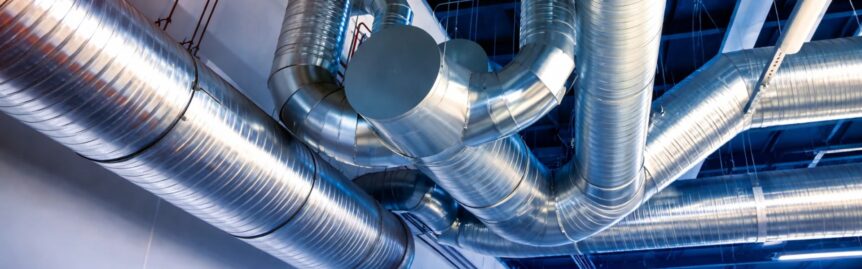
In the previous article in our series, we explored how glycol is used throughout data centers. In this third installment, we’re narrowing in on climate …

In our previous article, we focused on glycol for direct liquid chip cooling. In this second installment of our four-part R.L. Deppmann Monday Morning Minute …
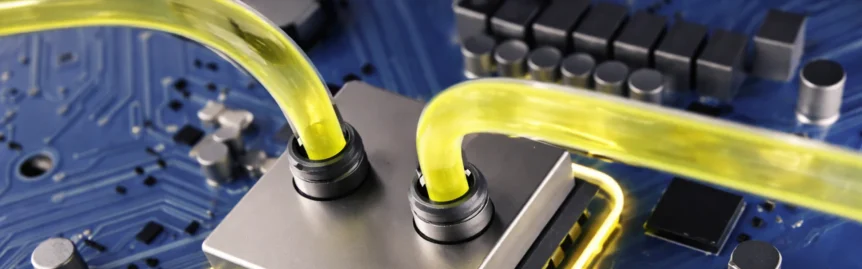
This week, the R.L. Deppmann Monday Morning Minutes kicks off a 4-Part Series on glycol in data center cooling. In this first article, we’ll focus …
Today, we remember those who gave everything for our freedom. We honor their legacy and wish you a peaceful and reflective holiday.

We conclude the expansion tank sizing series of the R. L. Deppmann Monday Morning Minutes with a double feature: a short video showing how to …
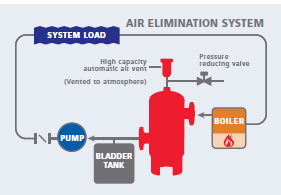
Choosing to use a Bell & Gossett ASME bladder style expansion tank, ASME diaphragm style tank, or ASME standard compression tank in your hydronic system …
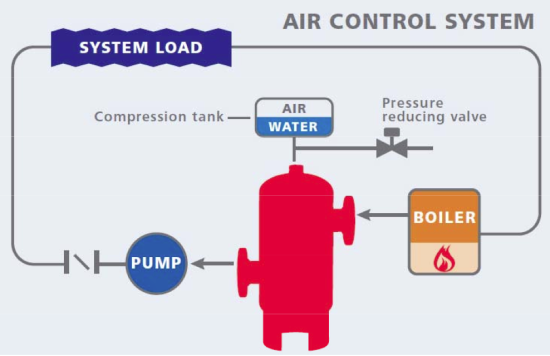
Choosing to use a Bell and Gossett ASME bladder style expansion tank, ASME diaphragm style tank, or ASME standard compression tank in your hydronic system will depend on several factors. Today we look at the standard compression tank used less often today and referred to as an “Air Control System”.