R. L. Deppmann Monday Morning Minutes continues with a quick look at the strainers used in steam and steam heat exchanger basics. Something as simple …
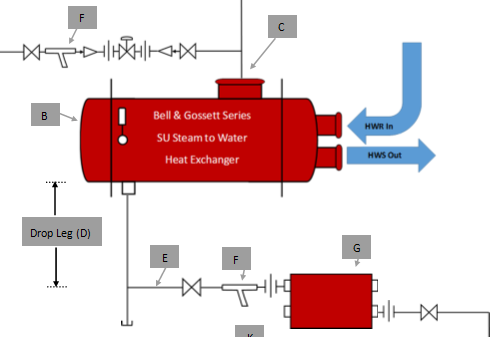

R. L. Deppmann Monday Morning Minutes continues with a quick look at the strainers used in steam and steam heat exchanger basics. Something as simple …
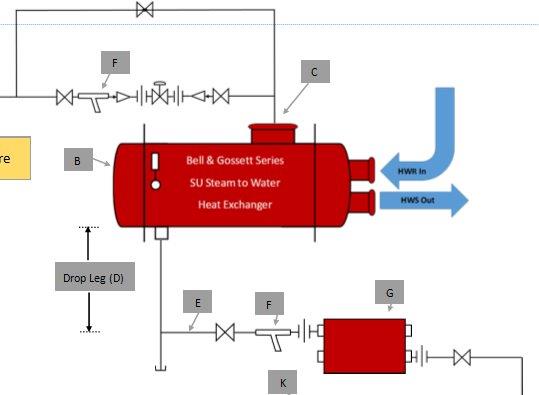
For the last two weeks, R. L. Deppmann Monday Morning Minutes has explained how the float and thermostatic steam trap operates, offering some tips for …
Last week the R. L. Deppmann Monday Morning Minutes explained how the float portion of a float and thermostatic steam trap operated. This week the …
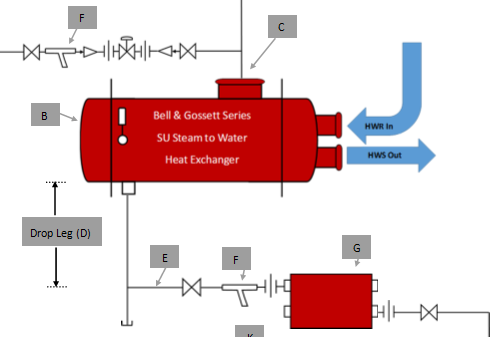
When discussing steam heating and steam heat exchanger basics, an important component for proper operation is the steam trap. At times, it feels like steam …
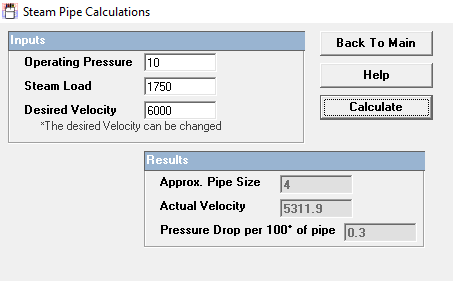
The past two RLD Monday Morning minutes examined steam and condensate pipe sizing. This week we’ll use a Health Care Office Building for our example.
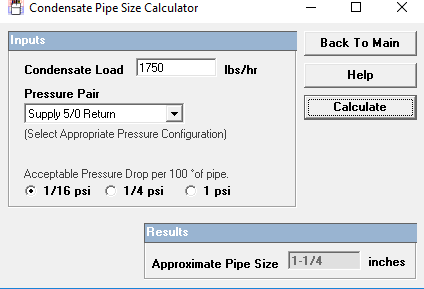
Today’s HVAC and Process engineers may choose any number of pipe sizing programs for steam and condensate applications. Put in a load and a pressure …
This Labor Day, we recognize the dedication of our team, customers, and industry partners whose hard work keeps our communities running strong. Thank you for …
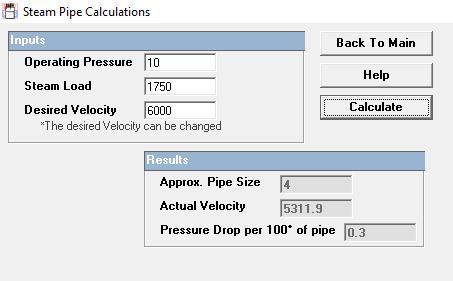
Steam pipe sizing is easy with today’s sizing programs. What is behind the programs? This question and others like it are answered in the R …

This summer, R.L. Deppmann employees participated in a Backpack Build sponsored by AERCO for the second year in a row, assembling essential school supplies for …
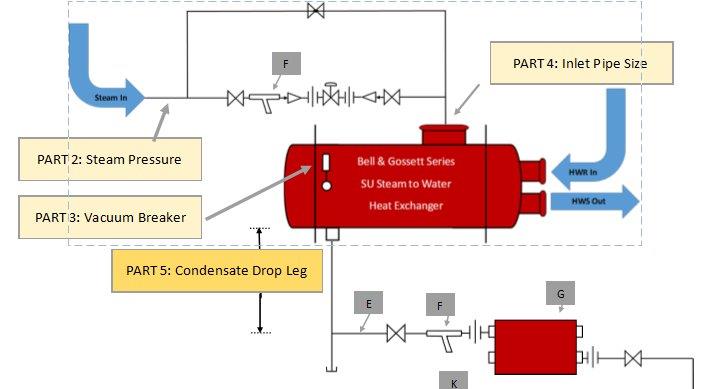
This week we turn our attention to the condensate outlet. A customer recently asked, “I was told to pipe a 14-inch condensate drop leg from …